Galvanized Coil has become a crucial material in manufacturing and construction industries. Its remarkable resistance to corrosion makes it a popular choice for various applications. Companies rely on this material for its durability and cost-effectiveness.
In construction, Galvanized Coil is widely used for roofing and siding. Builders appreciate its longevity and low maintenance. Additionally, it plays a vital role in making metal frames and structures. These applications highlight its flexibility in different settings.
In manufacturing, this material is equally significant. Galvanized Coil is often used in the production of appliances and automobiles. This versatile material enhances product lifespan. However, some might overlook its environmental impact during production. Understanding these nuances is important for a balanced view of Galvanized Coil's benefits and drawbacks.
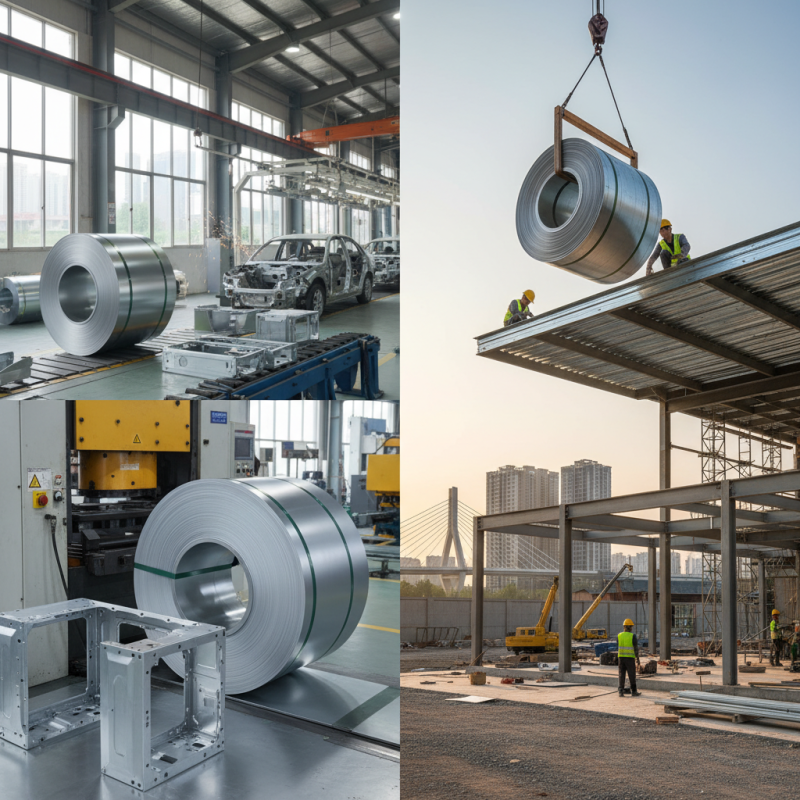
Galvanized coil is crucial in structural steel fabrication, providing durability and resistance to corrosion. Industries often use it for beams, columns, and trusses. The hot-dip galvanizing process coats steel with zinc. This method enhances longevity, especially in harsh environments.
According to a report by the American Galvanizers Association, galvanized steel can last over 70 years. This durability reduces replacement costs. In addition, it requires less maintenance than uncoated alternatives. The initial investment pays off due to this extended life cycle.
Tip: Consider the environment where the steel will be used. Different conditions may affect the lifespan of galvanized coatings. This can lead to unexpected repairs.
Galvanized coil also supports sustainable building practices. Using recycled materials, steel offers an eco-friendly option. The lifecycle assessment shows that galvanized steel has a lower environmental impact than many other materials. However, awareness of its limitations is essential. Knowing when it's not the best fit is critical for cost-effectiveness.
Galvanized coil plays a crucial role in roofing and siding materials. It consists of steel sheets coated with zinc, which protects them from corrosion. This feature is vital for longevity. Many buildings require materials that withstand harsh weather conditions. Galvanized coils offer that durability. They resist rust, ensuring structures remain intact over time.
In roofing applications, the surface reflects sunlight, keeping buildings cooler. This can lead to energy savings. However, the installation process is not always smooth. Miscalculations can lead to waste. Proper measurements are essential. Likewise, the aesthetic aspect can sometimes be overlooked. A well-finished product not only protects but also enhances the appearance of a home.
Siding made from galvanized coil provides excellent insulation. It also comes in various colors and finishes. Still, one drawback is that if damaged, the zinc coating may chip. This can expose the steel beneath to the elements. Homeowners should be aware of the need for regular maintenance. Proper care can prevent long-term issues, ensuring roofs and siding remain effective and attractive.
Galvanized coil has become essential in automotive manufacturing. It provides excellent protection against rust and corrosion. This is particularly important in regions with harsh weather conditions. Cars often face exposure to moisture and road salt, which can lead to premature wear. The zinc coating on galvanized steel acts as a barrier, extending the lifespan of automotive parts.
Using galvanized coil also improves the structural integrity of vehicles. This steel is lighter than some other materials, which helps in fuel efficiency. Automakers can design stronger frames without adding extra weight. However, manufacturers must consider the challenges of welding galvanized steel. Special techniques are necessary to avoid harmful fumes. This requires additional training and may slow down the production process.
Another point of reflection is the environmental impact. Although galvanization is effective, the process does consume energy. Companies should evaluate whether the benefits outweigh the ecological costs. As we advance, finding a balance between durability and sustainability will be key. This is a challenge that requires continuous reassessment as technology evolves.
Galvanized coil plays an essential role in the production of electrical and electronic enclosures. These enclosures protect sensitive components from environmental factors. According to a report by MarketsandMarkets, the global demand for these enclosures is expected to grow at a CAGR of 4.5%, highlighting their significance in various industries.
The advantages of using galvanized coil in these applications are substantial. The zinc coating provides excellent corrosion resistance, extending the lifespan of enclosures significantly. In many cases, galvanized materials show a lifespan increase of 50% or more compared to uncoated steel. However, it is worth noting that the manufacturing process can sometimes compromise this durability, especially if not executed correctly.
Despite the benefits, some manufacturers face challenges. The welding process can weaken galvanized steel, leading to potential failure points. Additionally, the cost of raw materials may impact overall pricing. In a competitive market, finding a balance between quality and cost-effectiveness is crucial. As the industry evolves, addressing these imperfections will be key to optimizing the use of galvanized coil in electrical and electronic enclosures.
Galvanized coil plays a crucial role in creating durable outdoor fixtures and furniture. It provides a protective zinc coating that enhances resistance to rust and corrosion. According to a report by the American Galvanizers Association, galvanized steel can last up to 70 years in outdoor environments. This longevity is essential for manufacturers aiming to create sustainable products.
The aesthetic quality of galvanized furniture is also noteworthy. Its metallic finish offers a modern look for outdoor spaces. Many designers prefer galvanized coil as it can be easily formed into various shapes. This versatility allows for creative and functional designs that are both stylish and resilient. However, some may find its industrial appearance less appealing for traditional settings.
Despite these advantages, there are challenges. The initial cost of galvanized materials can be higher than alternatives. Some manufacturers still hesitate, often considering cheaper options that might not last. This reflects a gap in understanding the long-term value of investing in galvanized materials. Ultimately, the use of galvanized coil in manufacturing is a testament to the balance between durability and design.