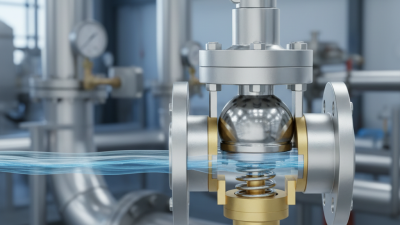
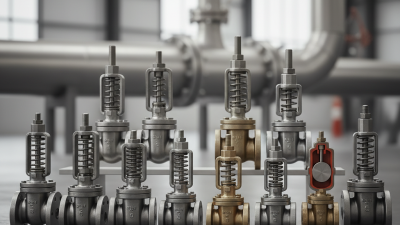
Ball valves are essential components in fluid control systems. They provide a reliable, efficient means of regulating flow in various applications. With multiple designs available, choosing the right type can be challenging.
Understanding the different ball valves types is crucial. Each type serves unique purposes, from standard to special applications. For instance, trunnion-mounted ball valves are great for high-pressure environments. They ensure a secure seal and endure considerable stress.
However, not every ball valve fits all scenarios. Users need to reflect on their specific needs. Are you prioritizing performance or cost? A balance is often necessary. Selecting the right valve impacts overall efficiency and safety in fluid control systems. Careful consideration will lead to the best outcomes.
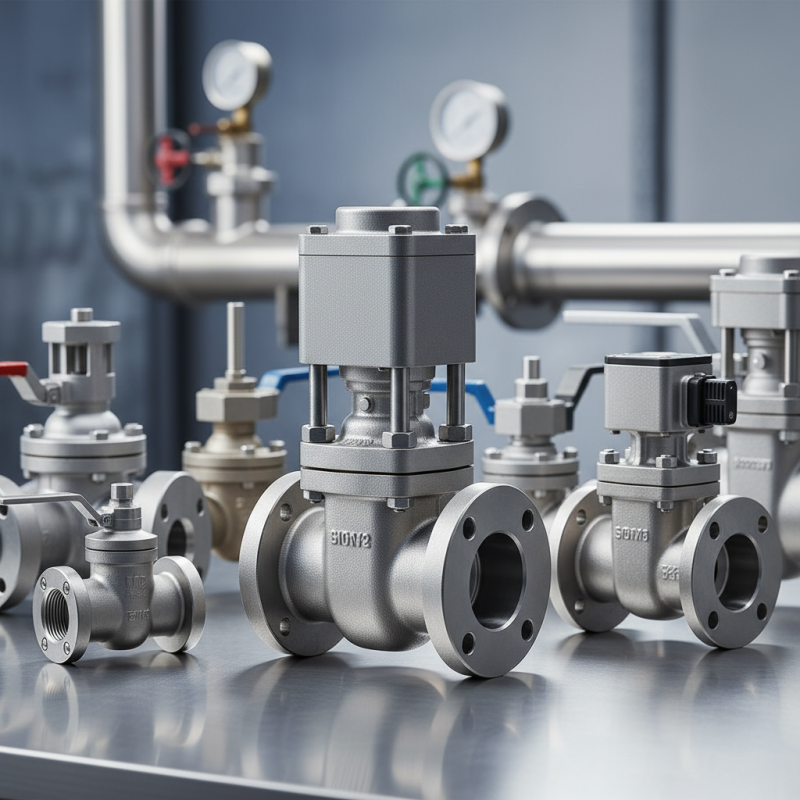
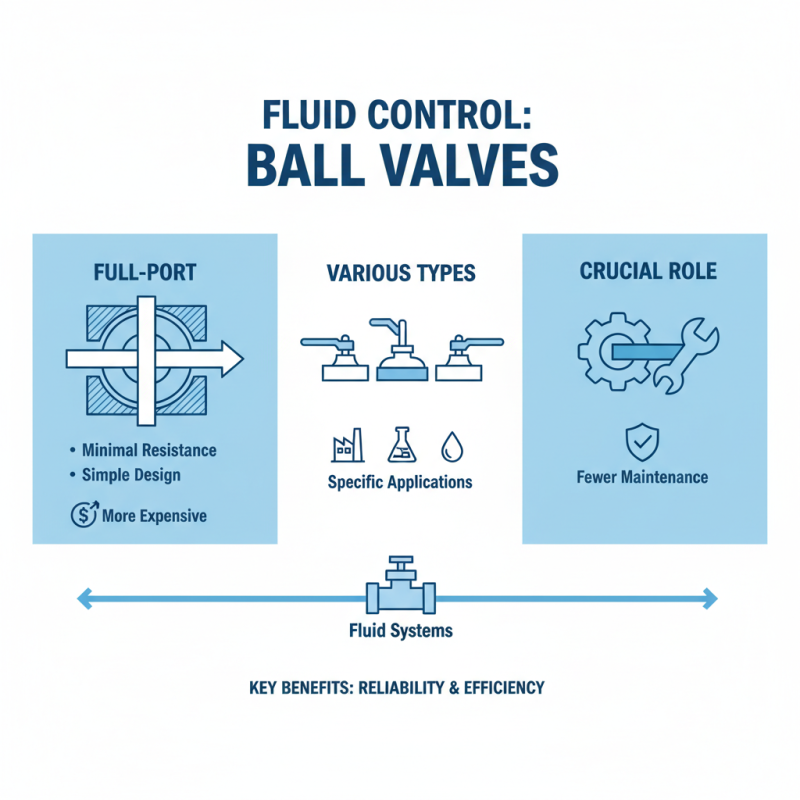
When it comes to fluid control systems, ball valves play a crucial role. They come in various types, each designed for specific applications. A common type is the full-port ball valve. This design allows fluid to flow through with minimal resistance. Its simplicity often leads to fewer maintenance issues. However, they can be more expensive than other options.
Another popular choice is the reduced-port ball valve. This type is cost-effective and space-efficient. It has a smaller opening, which can reduce flow rate. While it saves money, it may not always be ideal for systems requiring high flow. Users should weigh performance against cost.
Additionally, there are trunnion-mounted ball valves. These are ideal for high-pressure applications. They have extra support, making them durable. However, they can be more complex. This complexity might lead to challenges during maintenance. The choice of ball valve type depends heavily on the specific needs of a fluid control system. Each type has its strengths and weaknesses, which must be carefully considered.
When selecting the right ball valve type, understanding the key features of different designs is crucial. Ball valves are widely favored for their simple structure and reliability. They often provide a tight seal, which is essential in fluid control applications. According to industry reports, the use of ball valves in sectors such as oil and gas has been increasing annually by approximately 5%.
The trunnion-mounted ball valve has unique advantages. It can handle higher pressures and larger sizes over the floating ball types. This design features a ball supported by trunnions, allowing it to maintain stability, reducing wear. Floatation-type valves, however, are suitable for smaller, lower-pressure applications. They often perform better in tightly controlled environments. Both styles offer different benefits depending on the application, yet users should evaluate their specific needs before making a selection.
**Tip:** Always consider the fluid type and system pressure. Some materials may not withstand corrosive environments. Ball valves can necessitate maintenance; inspect them regularly. Small cracks or wear can lead to larger issues down the line. Understanding these intricacies can significantly enhance system performance. Balancing efficiency with cost-effectiveness requires thoughtful analysis of each valve design.
| Ball Valve Type | Key Features | Best Used For | Material |
|---|---|---|---|
| Floating Ball Valve | Self-adjusting seat, good sealing | Low pressure service | PVC, Stainless Steel |
| Trunnion Ball Valve | Fixed ball, high pressure capability | High pressure systems | Carbon Steel, Alloy |
| V-Port Ball Valve | Regulates flow control, adjustable | Flow regulation applications | Stainless Steel, Brass |
| Electric Ball Valve | Automation capable, precise control | Automation systems | Plastic, Stainless Steel |
| Cryogenic Ball Valve | Designed for low temperature applications | Cryogenic fluid transfer | Stainless Steel, Bronze |
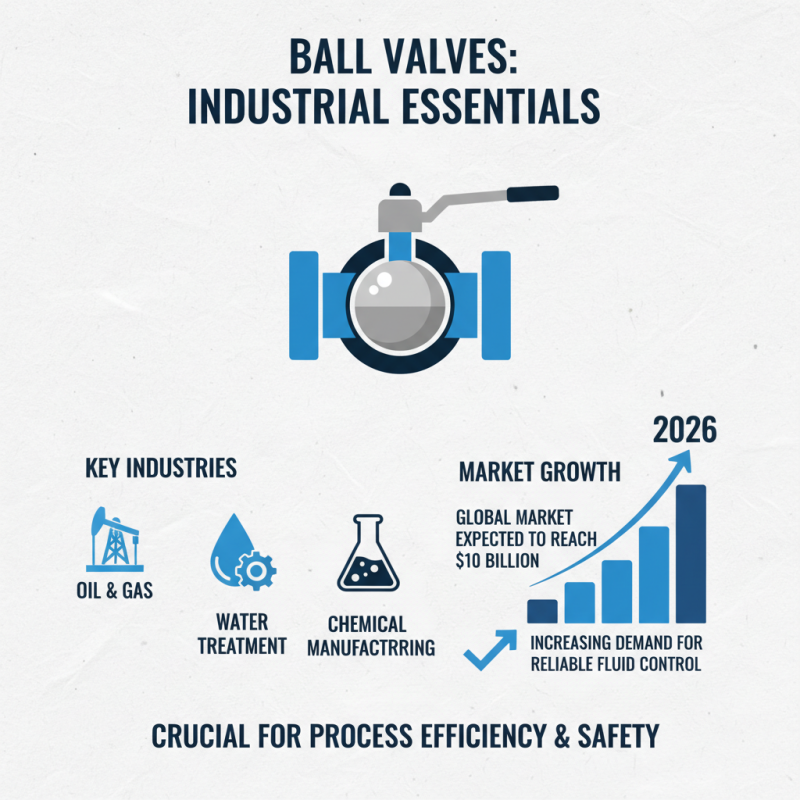
Ball valves are crucial in many industries. They are widely used in oil and gas, water treatment, and chemical manufacturing. According to a recent market report, the global ball valve market is expected to reach $10 billion by 2026. This growth reflects the increasing need for reliable fluid control solutions across various sectors.
In the oil and gas industry, ball valves manage high-pressure flows and provide tight sealing. Their ability to handle large volumes while minimizing leaks makes them ideal for this sector. In water treatment facilities, these valves control the flow of water efficiently, ensuring treatment processes function smoothly. However, some reports suggest that inconsistent valve maintenance can lead to operational inefficiencies, causing potential downtime.
Chemical manufacturing also benefits from ball valve applications. They are resistant to corrosion, which is crucial when dealing with aggressive chemicals. Estimates show that faulty valves can cause up to 20% loss in production efficiency. This highlights the need to regularly assess valve performance. In many cases, industries could improve operational efficiency by addressing maintenance protocols and valve selection criteria.
When selecting ball valves for fluid control, the material used in construction is crucial. Common materials include stainless steel, brass, and plastic. Each material boasts unique properties that affect performance and lifespan. For instance, stainless steel is robust and offers high corrosion resistance. Industry data shows that stainless steel valves can last up to 30 years in harsh environments. Brass valves, on the other hand, excel in moderate pressure applications but may corrode faster than steel.
Plastic ball valves are lightweight and resistant to many chemicals. They are ideal for applications where metal might corrode. However, they may not withstand high pressures like their metal counterparts. Recent reports indicate that the choice of material can impact flow rates by 15% to 20%. Incorrect material selection can lead to leaks and costly downtime.
Tips: Always consider the chemical properties of the fluid. Conduct regular maintenance on your valves. Monitor their performance closely, especially in challenging environments. Remember, a poor choice today can lead to bigger issues tomorrow.
Proper maintenance of ball valves is crucial for efficient fluid control. Regular inspection helps prevent leaks. Checking for signs of wear or corrosion can save time and money later. Damaged valves can lead to fluid losses. Even minor leaks can escalate into bigger issues.
Consider these tips to enhance performance. First, clean the valve regularly. Dirt and debris can hinder functionality. Use a soft cloth and proper cleaning solutions. Second, ensure proper lubrication. Lubricating the stem and sealing surfaces can minimize friction. This action enhances valve operation.
Don't forget to check the seals. Worn or damaged seals compromise the valve’s integrity. Replace them when necessary. Lastly, operate the valve regularly. Regular use helps prevent sticking due to inactivity. A neglected valve may surprise you with malfunctions when you need it most.
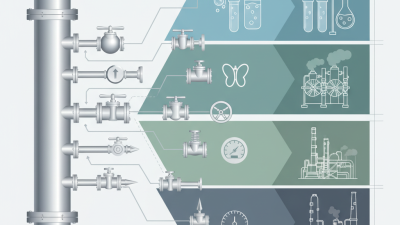
This chart illustrates the various types of ball valves and their effectiveness in fluid control. The data represents the efficiency rating of each valve type based on performance metrics.