What is a Steel Ball Valve and How Does It Work?
In the realm of industrial valves, the steel ball valve stands out for its durability and efficiency. According to John Smith, a renowned expert in valve technology, "A steel ball valve offers unparalleled control in fluid flow." This statement captures the essence of its functionality across various applications.
Steel ball valves are essential in many industries, from oil and gas to water treatment. Their design features a spherical closure element that allows for smooth flow regulation. However, the manufacturing process can be complex and requires precision. Even slight imperfections can affect performance over time.
While many praise their reliability, there's room for improvement in their design for specific conditions. For instance, corrosion resistance can still be a concern. Moreover, understanding the correct installation and maintenance practices is vital. These factors highlight the ongoing conversation around enhancing steel ball valve technology.
What is a Steel Ball Valve?
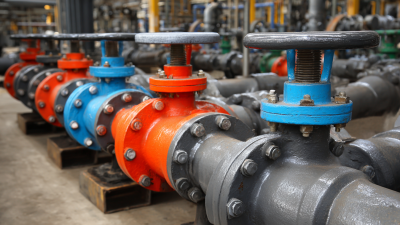
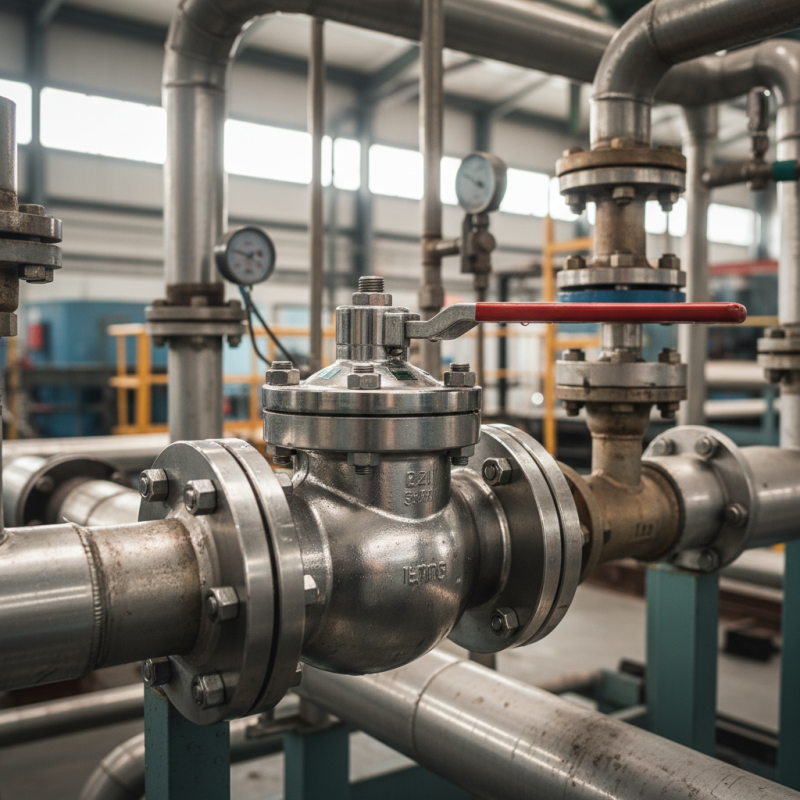
A steel ball valve is a crucial component in many industrial applications. It is known for its durability and ability to control fluid flow effectively. This valve uses a spherical disc, or ball, to stop or allow the flow of liquids and gases. The ball has a hole through its center, aligning with the pipe when open. Closing the valve rotates the ball, blocking the flow.
Steel ball valves are versatile. They can handle high pressures and various temperatures, making them ideal for tough environments. Their design enables quick opening and closing, which is essential in processes requiring immediate action. Low torque requirements are a significant advantage, contributing to effortless operation. However, there can be issues. If debris gets trapped, it might affect the ball's movement. Regular maintenance can help prevent this. Some people may overlook this aspect, leading to unexpected disruptions in flow.
These valves provide a secure seal. However, wear and tear can occur over time. It’s essential to regularly check for leaks or any signs of damage. While steel is robust, conditions like rust can take a toll. Ignoring these factors may result in costly repairs. Understanding the intricacies of steel ball valves helps ensure their optimal performance in various settings.
Steel Ball Valve Flow Rate Analysis
This chart represents the flow rates of different steel ball valves at various pressures. It helps in understanding how flow rate varies with pressure for efficient valve selection.
Key Components of a Steel Ball Valve
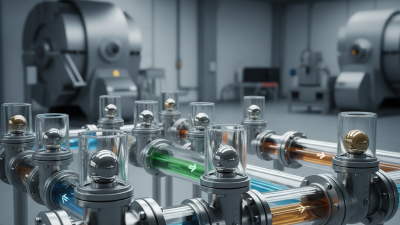
A steel ball valve is vital in controlling fluid flow. Its design features a spherical disc, known as a ball, with a hole through its center. This simple, yet effective mechanism allows for efficient on/off operation. Understanding its components is essential for effective use.
The primary component is the ball itself. This sphere typically has a smooth finish. A reliable seal often comes from the valve seat, which surrounds the ball. Made from durable materials, the seat ensures minimal leakage when the valve is closed. Additionally, the stem connects the ball to the handle, allowing operators to turn the valve easily.
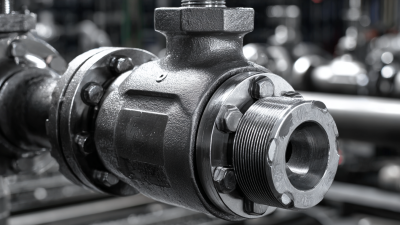
Other important parts include the body and the end connections. The body holds everything together, and it's often made of robust steel to withstand harsh conditions. End connections enable the valve to attach to pipes securely. However, even with high-quality components, wear can occur over time, leading to potential leaks. Regular maintenance is crucial for optimal performance. Understanding these key parts can enhance the effective use of steel ball valves in various applications.
How Does a Steel Ball Valve Operate?
A steel ball valve is a crucial component in many piping systems. It operates using a spherical disc, or ball, that controls the flow of fluid. When the valve handle turns, this ball rotates. It either blocks or allows fluid passage. The design offers a tight seal when closed, minimizing leaks.
The mechanism is surprisingly simple but effective. When the handle is parallel to the pipe, the valve is open. This alignment allows fluid to flow freely. Conversely, when the handle is perpendicular, the valve is closed. This direct control is intuitive. However, challenges arise during installation or maintenance. Misalignment can lead to malfunction. Regular checks are essential to ensure proper operation.
Understanding these details enhances your ability to work with steel ball valves. They are efficient, yet overlooked. Users may not appreciate how they function until issues arise. Reflecting on their operation helps improve system performance and reduces potential downtime.
What is a Steel Ball Valve and How Does It Work?
| Feature |
Description |
Applications |
| Operation |
Uses a spherical disc to control flow |
Water supply, gas services |
| Advantages |
Durability, low friction loss, reliable sealing |
Pipelines, chemical processing |
| Types |
Full port, Reduced port, V-port |
Fluid flow management, control systems |
| Material |
Stainless steel, carbon steel, alloy steel |
Oil and gas production, water treatment |
| Maintenance |
Periodic inspection and lubrication recommended |
Industrial applications, HVAC systems |
Common Applications of Steel Ball Valves
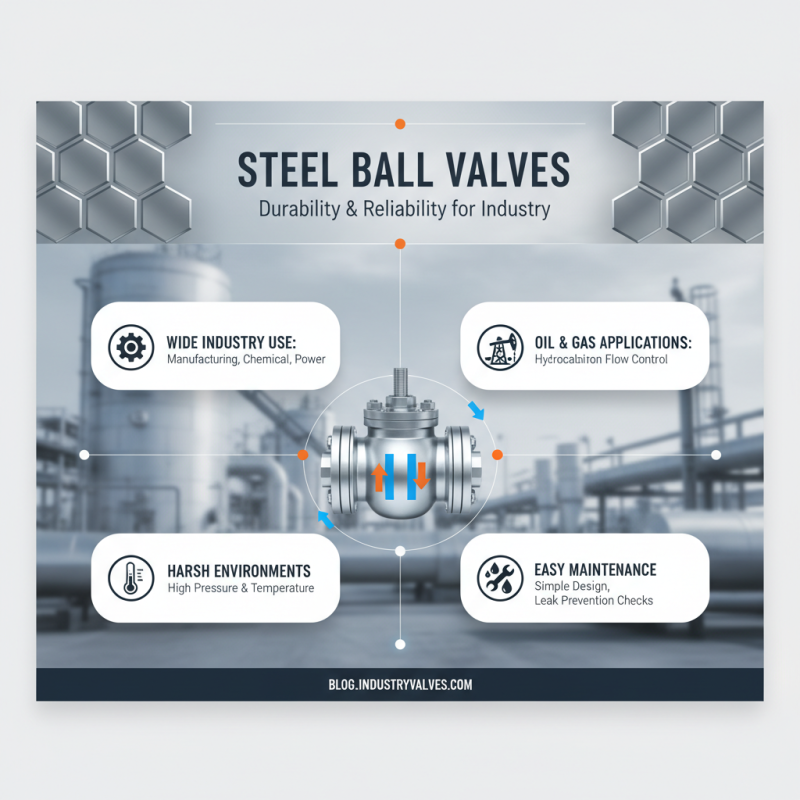
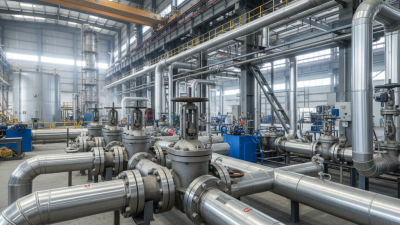
Steel ball valves are widely used in many industries due to their durability and reliable performance. In oil and gas applications, they control the flow of hydrocarbons. These valves can handle high pressures and temperatures, making them ideal for harsh environments. Their simple design ensures that they can be easily maintained, although regular checks are still necessary to avoid leaks.
In water treatment facilities, steel ball valves regulate water flow. They allow for quick shut-off, which is crucial during emergencies. The valves are also used in chemical processing. They help manage the flow of corrosive substances, ensuring safety. However, improper installation can lead to issues, so careful attention is critical.
These valves are also present in agriculture. They manage irrigation systems effectively. Yet, users often overlook routine maintenance. This can cause unexpected failures. Therefore, regular inspections are necessary to ensure smooth operation. Creating a recurring maintenance schedule can ensure longer valve life and better performance in various applications.
Benefits of Using Steel Ball Valves in Fluid Control
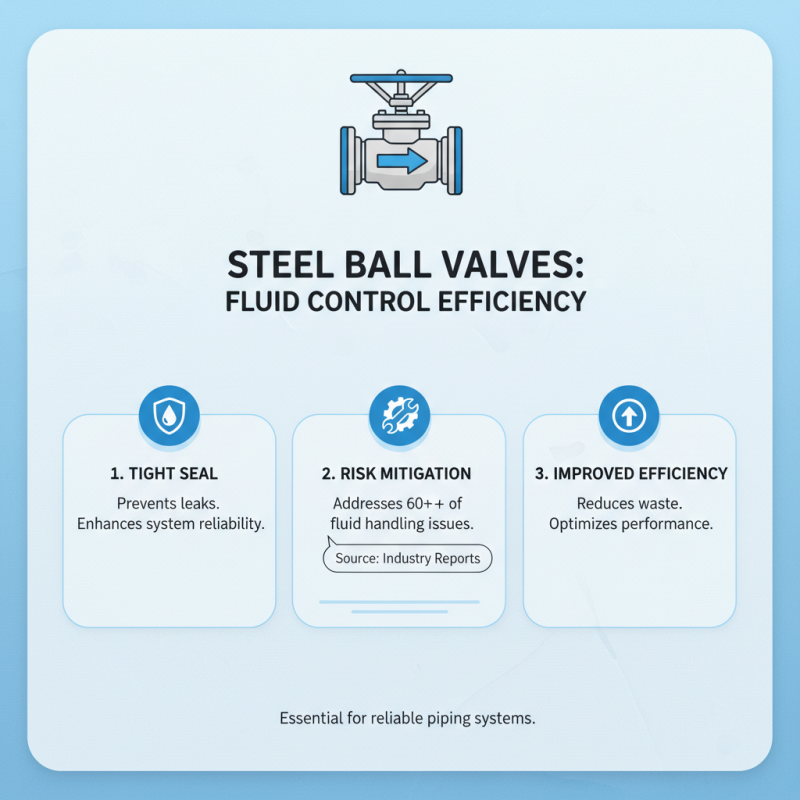
Steel ball valves are widely used in fluid control applications. They offer many advantages that enhance efficiency. One key benefit is their ability to provide a tight seal. This prevents leaks in piping systems. According to recent industry reports, over 60% of all fluid handling issues stem from leaks. Steel ball valves can help mitigate this risk.
In addition to leak prevention, these valves operate effectively in high-pressure conditions. They can withstand pressures exceeding 6000 psi, making them suitable for various applications. This durability enhances their long-term performance in demanding environments. Steel ball valves also require minimal maintenance. They can function well without continuous supervision. However, it is important to regularly inspect them. Neglecting this can lead to undetected wear or damage.
Energy efficiency is another advantage of steel ball valves. Reports indicate that they can reduce energy consumption significantly, up to 10% in some cases. This translates to cost savings over time, particularly in large-scale operations. Despite these benefits, some users overlook proper installation techniques. Poor installation can lead to reduced valve lifespan and function. Awareness and training are essential to maximize the benefits of these valves.