Why is a natural gas valve essential for safety and efficiency?
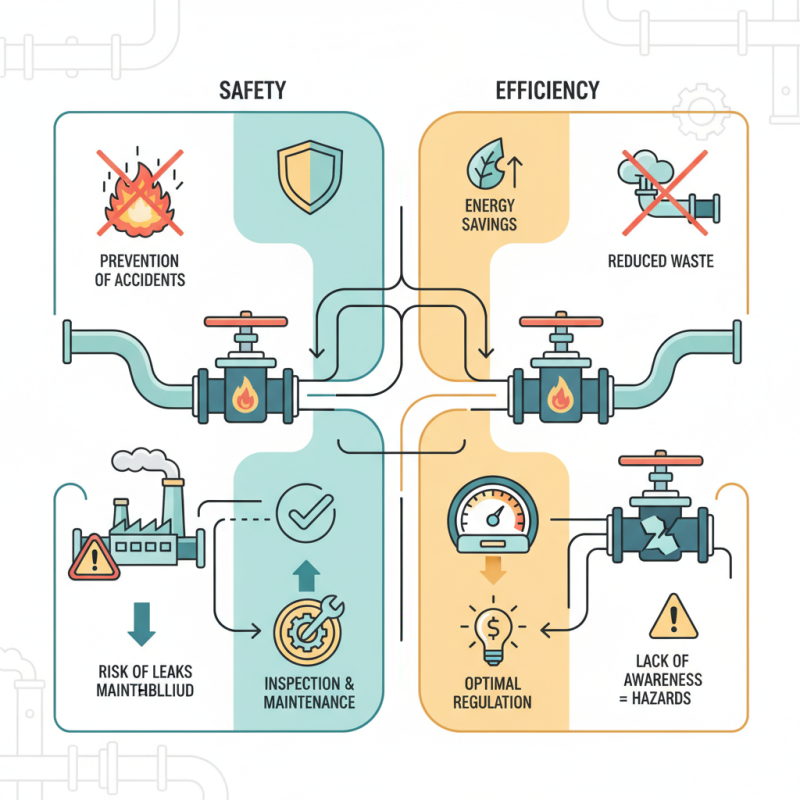
A natural gas valve plays a crucial role in both safety and efficiency. It acts as a control mechanism for the flow of natural gas in various applications. Proper operation of this valve helps prevent leaks and potential accidents. Without it, the risk of gas buildup in residential and industrial surroundings increases dramatically.
Imagine a scenario where a valve fails. The consequences can be severe: fires, explosions, or toxic exposure. These situations highlight the importance of maintaining a functioning natural gas valve. Regular inspections and timely replacements can lead to safer environments.
Moreover, using a natural gas valve promotes energy efficiency. It allows for better regulation of gas flow, reducing waste. However, not everyone understands its significance. A lack of awareness can lead to negligence. This negligence can result in hazardous situations that could have been easily avoided.
The Role of Natural Gas Valves in Home Safety Systems
Natural gas valves play a crucial role in home safety systems. They regulate gas flow to appliances, ensuring efficient operation. If a valve malfunctions, it can lead to serious risks. Leaks may occur, posing fire and explosion hazards. A small issue can escalate quickly. Regular checks are vital to maintain these valves.
Homeowners often overlook the importance of these devices. If you never inspect a valve, how will you know it's safe? Signs of wear or rust can indicate a problem. Ignoring them can be devastating. Proper maintenance helps prevent accidents. Think about the last time you checked your gas appliances.
In emergency situations, functional valves are lifesavers. They allow users to shut off gas quickly. This action can prevent catastrophic incidents. Many people are unaware of how to use their systems effectively. Familiarity with home safety features is essential. It’s worth taking the time to learn their function. Your safety might depend on it.
Key Functions of Natural Gas Valves in Energy Management
Natural gas valves play a critical role in energy management. They regulate gas flow, ensuring safe distribution in homes and businesses. Without these valves, gas leaks can occur, leading to potential dangers. This regulation is vital for maintaining a steady energy supply while preventing wastage.
These valves function as gatekeepers. They control pressure and flow rates throughout the system. When there is an increase in demand, valves adjust accordingly. This responsiveness can minimize energy waste and improve efficiency.
However, not all valves function perfectly. Regular maintenance is necessary for optimal performance.
In some cases, malfunctioning valves can lead to significant safety risks. Leaks may go unnoticed without proper monitoring. This highlights the importance of routine inspections. Valves must be checked and serviced to ensure they operate effectively. Overlooking these details can compromise safety and efficiency.
Impact of Proper Valve Maintenance on Gas Distribution Efficiency
Natural gas valves play a crucial role in ensuring the safety and efficiency of gas distribution systems. Proper maintenance of these valves is key. According to a report from the U.S. Department of Energy, well-maintained valves can improve gas distribution efficiency by up to 15%. This reduction can significantly lower operational costs.
Regular inspections and timely repairs are essential. A study showed that 25% of gas leaks in distribution systems are caused by faulty valves. Establishing a maintenance routine can help prevent these issues. Operators often overlook minor leaks, but they can escalate quickly. A small leak can waste energy and resources, leading to bigger problems down the line.
Enhanced safety measures become necessary when maintenance is ignored. The National Fire Protection Association emphasizes that malfunctioning valves can lead to hazardous situations. This risk increases as pipeline infrastructure ages. Routine checks can decrease potential hazards. However, many companies still lack a proactive approach. Emphasizing maintenance would greatly enhance both safety and efficiency in the gas industry.
Why is a natural gas valve essential for safety and efficiency? - Impact of Proper Valve Maintenance on Gas Distribution Efficiency
| Dimension |
Value |
| Average Lifespan of Gas Valves |
15-20 years |
| Recommended Maintenance Frequency |
Every 3 years |
| Common Valve Failure Rate |
5-10% |
| Efficiency Impact of Proper Maintenance |
Up to 20% improvement |
| Cost of Improper Maintenance |
Estimated $5,000 per incident |
| Incidents Prevented by Maintenance |
80% |
| Energy Loss Due to Malfunctioning Valves |
15-25% |
Safety Standards and Regulations Governing Natural Gas Valves
Natural gas valves are integral to maintaining safety standards in gas distribution systems. These devices help control the flow of gas, preventing leaks that could lead to dangerous situations. Regular inspections and maintenance of valves play a key role in compliance with safety regulations. Each valve should be marked clearly, making them easy to identify during routine checks.
Regulatory bodies set strict guidelines for installation and usage. These regulations define the specifications and materials for manufacturing valves. Additionally, they outline the necessary safety measures that must be taken. However, not all systems comply perfectly. Some may lack proper installation or timely maintenance, which can create risks.
Training for personnel handling these valves is crucial. Workers should understand the basics of gas flow control. Regular workshops can enhance knowledge and awareness. The complexities of natural gas systems can often lead to errors. Focus on continuous education and reflection on best practices can improve safety.
Natural Gas Valve Safety Standards and Efficiency Levels
Natural gas valves play a crucial role in ensuring safety and efficiency in gas utilization. This chart illustrates the compliance with safety standards (85% certified) and the efficiency levels of these valves (90%). Adhering to these standards is essential to minimizing risks and improving operational effectiveness.
Common Issues with Natural Gas Valves and Their Solutions
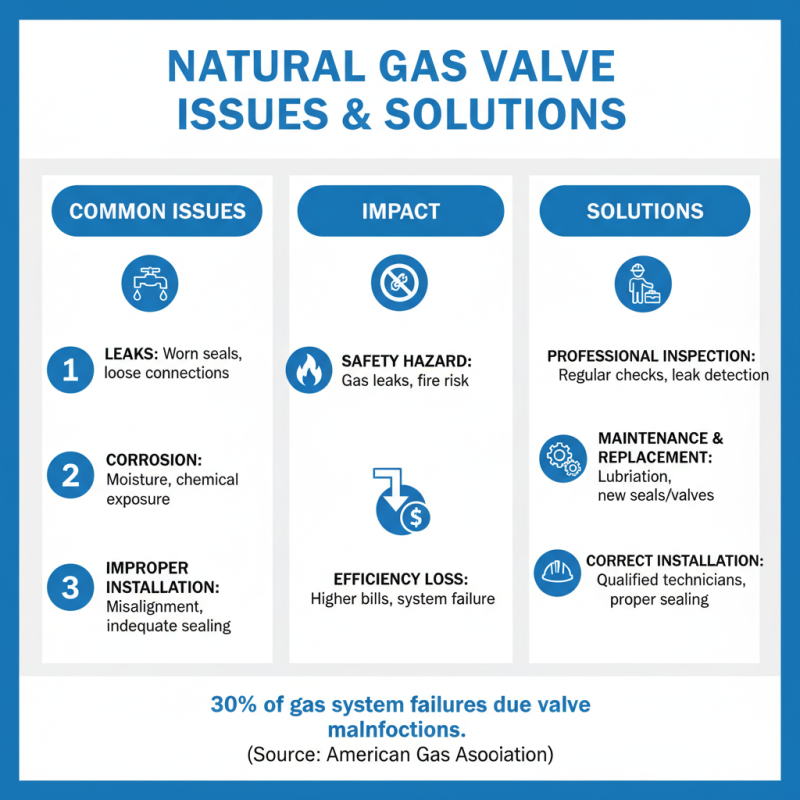
Natural gas valves play a crucial role in both safety and efficiency in gas systems. However, they can face several common issues that may compromise their function. A report from the American Gas Association shows that nearly 30% of gas system failures are linked to valve malfunctions. Leaks, corrosion, and improper installation often lead to these failures, raising safety concerns.
One frequent issue is valve leakage. This can cause not only waste but also dangerous situations. A study highlighted that leaks can lead to hazardous gas buildups, with even small amounts posing risks. Regular inspection and maintenance can help detect leaks early. Corrosion is another significant concern. External factors, such as moisture and temperature changes, can cause deterioration. A proactive approach, including applying protective coatings, is essential to mitigate this risk.
Improperly installed valves can lead to inefficient gas flow, affecting energy consumption. It is vital to ensure that valves are correctly positioned and securely fastened. Improper alignment can create friction, making them harder to operate. These issues underscore the need for skilled professionals during installation and routine assessments. Regular training helps technicians stay updated on best practices, reducing errors and improving overall system performance.