What is a Forged Valve and Why is it Important?
Forged valves play a crucial role in various industries, such as oil and gas, power generation, and water treatment. According to a recent industry report by Grand View Research, the global forged valves market was valued at approximately $9 billion in 2022 and is expected to grow significantly over the next decade. However, the importance of forged valves often goes unnoticed until a failure occurs, leading to costly downtime and safety hazards.
Industry expert Dr. John Smith emphasizes that "the reliability of forged valves is essential for operational integrity." His insights highlight the need for robust materials and precise manufacturing processes. Forged valves offer advantages in terms of strength and resistance to high temperatures and pressure. These attributes make them integral to maintaining system efficiency and safety.
Yet, challenges remain. Not all forged valves meet industry standards, which can lead to serious issues. Companies must ensure proper inspection and testing. In an industry often focused on cost-cutting, quality should never be compromised. Forged valves are indispensable, but awareness and diligence are crucial to fully understand their importance.
Definition of a Forged Valve and Its Composition
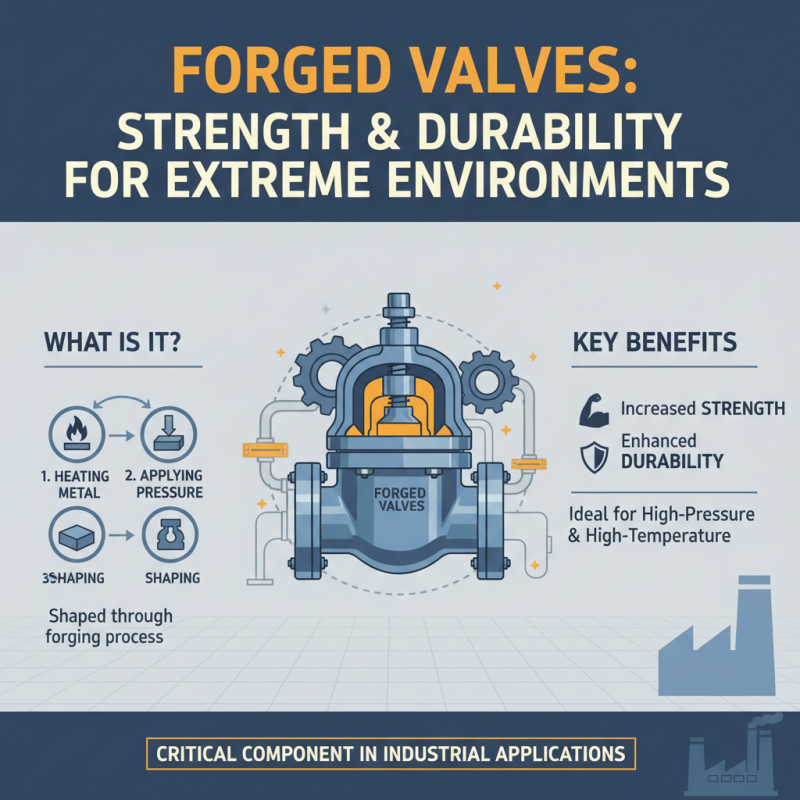
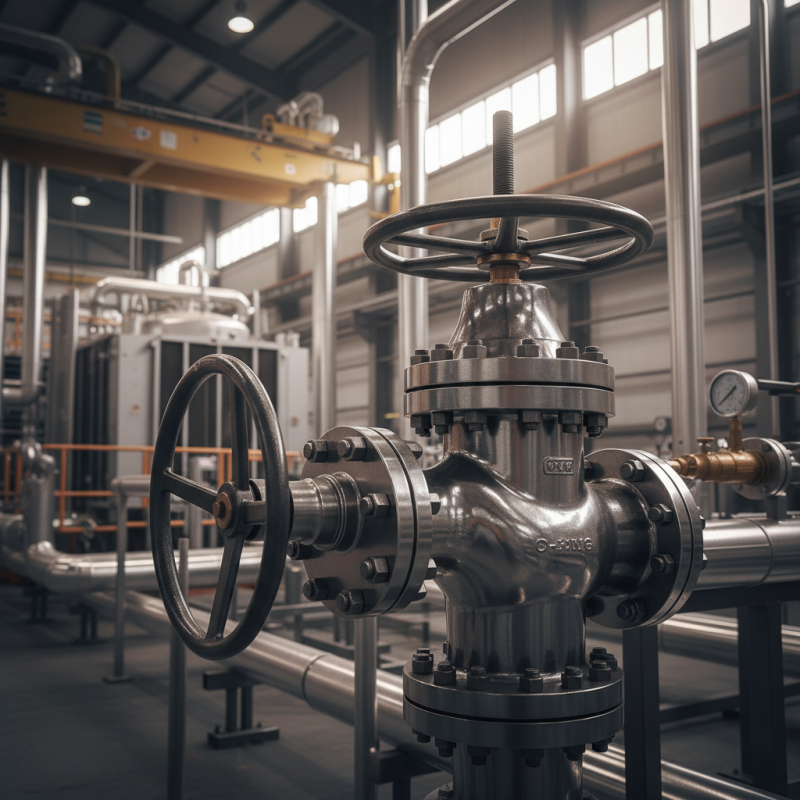
A forged valve is a critical component in many industrial applications. It is created by shaping metal through a forging process. This involves heating the metal and then applying pressure to form it into the desired shape. The forging process improves the metal's strength and durability. This makes forged valves ideal for high-pressure and high-temperature environments.
The composition of a forged valve typically includes materials like carbon steel, stainless steel, or alloy steel. These materials are chosen for their resilience. Each composition offers unique benefits, such as corrosion resistance or high tensile strength. The choice of material can impact the valve's performance. For example, stainless steel can resist rust, but may not withstand extreme pressures.
While forged valves are robust, they require careful inspection. The forging process can introduce flaws if not done correctly. Microscopic cracks or impurities can reduce the valve’s effectiveness. Regular maintenance and testing are necessary to ensure long-term reliability. Understanding the composition and potential imperfections can help in selecting the right forged valve for specific applications.
Importance of Forged Valves in Industrial Applications
Forged valves play a crucial role in industrial applications. They are widely used in sectors like oil and gas, power generation, and water treatment. According to reports, nearly 30% of industrial failures can be traced back to valve issues. This statistic highlights the importance of selecting the right type of valve for each application. Forged valves, known for their durability and strength, can handle high pressure and temperature conditions effectively.
One of the key advantages of forged valves is their resistance to corrosion. In harsh environments, this property becomes vital. A study indicated that forged valves have a lifespan that is 40% longer than cast valves in corrosive settings. However, not all forged valves are created equal. Quality control during manufacturing is essential. Flaws or inconsistencies can lead to valve failure, causing significant downtime and financial loss.
The importance of regular maintenance cannot be overstated. Even the best-forged valves can suffer from wear and tear. Regular inspections can prevent unexpected breakdowns. Furthermore, the choice of materials impacts valve performance. For instance, using stainless steel in specific applications can enhance resistance to corrosion, but it also increases costs. Stakeholders must weigh the long-term benefits against upfront expenses.
Comparison of Forged Valves and Other Valve Types
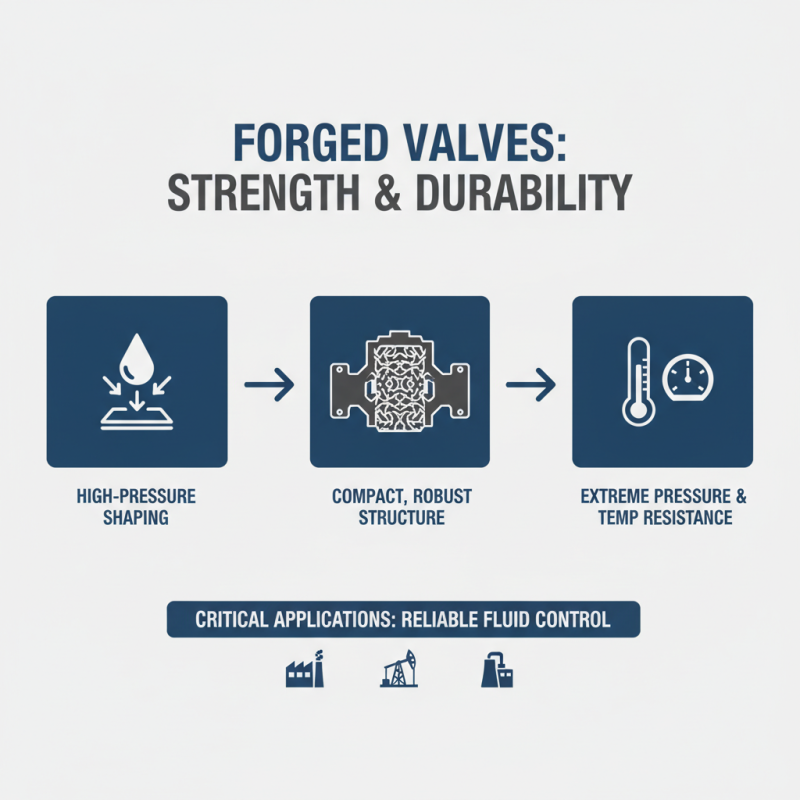
Forged valves are often preferred in various industries due to their superior strength and durability. Unlike other valve types, forged valves are manufactured through a process that shapes the metal under high pressure, resulting in a more compact and robust structure. This manufacturing technique enhances the valve's ability to withstand extreme pressures and temperatures. Such characteristics make them valuable in critical applications, ensuring reliable control of fluids.
When comparing forged valves with cast or fabricated valves, the differences become clear. Cast valves, while cheaper, are often more brittle. They can fracture under intense pressure. Fabricated valves may lack the structural integrity that forged valves offer. This can lead to potential leaks or failures. It's essential to evaluate the application's specific demands before selecting a valve type.
Tips: Always consider the environment in which the valve will operate. For high-pressure systems, forging might be necessary. Additionally, check for maintenance needs. Sometimes, the initial cost might be higher, but long-term reliability pays off. Understand the trade-offs. A seemingly cheaper option could lead to more expenses down the line.
Key Benefits of Using Forged Valves in Critical Systems
Forged valves play a crucial role in critical systems across various industries. Their strength and durability stem from the manufacturing process, which involves shaping metal under high pressure. This process creates a refined grain structure, enhancing the overall performance. A recent industry report highlighted that forged valves have a failure rate of less than 1% in high-pressure applications, underscoring their reliability.
One significant benefit of using forged valves is their ability to withstand extreme conditions. These valves can operate in temperatures ranging from -196°C to 600°C. This wide temperature range makes them suitable for oil and gas, chemical processing, and power generation. Furthermore, forged valves often exhibit excellent corrosion resistance, which is vital in harsh environments. Still, some users overlook maintenance due to their initial robustness, leading to increased risks over time.
Cost efficiency is another key advantage. Although forged valves may have a higher upfront cost compared to cast valves, they offer longer lifespans and reduced replacement needs. A study indicated that facilities using forged valves experienced 30% lower maintenance costs over a decade. However, it’s essential to recognize that the complexity of installation can also lead to unexpected costs. Awareness of these factors is critical for maximizing the performance of forged valves in critical systems.
Benefits of Using Forged Valves in Critical Systems
Common Industries and Applications for Forged Valves
Forged valves play a crucial role in various industries due to their strength and reliability. Common applications include oil and gas, power generation, and water treatment. In these sectors, the ability of forged valves to withstand high pressure is vital. For instance, in oil extraction, valves face extreme environments. Their durability can prevent leaks, which can be disastrous.
The manufacturing process enhances the material's structure. It ensures that each valve can handle stress without failing. Forged valves are often preferred over cast ones. This decision impacts the overall safety and efficiency of operations. However, not every application requires forged valves. Some might find them too robust or costly for their needs.
In the chemical industry, forged valves control aggressive fluids. A small failure can lead to serious issues. That makes choosing the right valve essential. However, not all companies are aware of these specific requirements. Therefore, ongoing education about the benefits and limitations of forged valves is needed. Balancing performance and cost is always a challenge.
What is a Forged Valve and Why is it Important? - Common Industries and Applications for Forged Valves
| Industry |
Application |
Importance of Forged Valves |
Material Strength |
| Oil & Gas |
Pipeline control |
High pressure and temperature handling |
High tensile strength |
| Water Treatment |
Flow regulation |
Durability against corrosion |
Resistant to fatigue |
| Chemical Processing |
Chemical flow management |
Ability to withstand aggressive media |
High-impact resistance |
| Power Generation |
Steam and gas control |
Essential for safe operations |
Superior reliability |
| Automotive |
Fluid control in vehicles |
Safety and performance optimization |
Lightweight yet strong |