10 Essential Tips for Selecting the Right Trunnion Valve
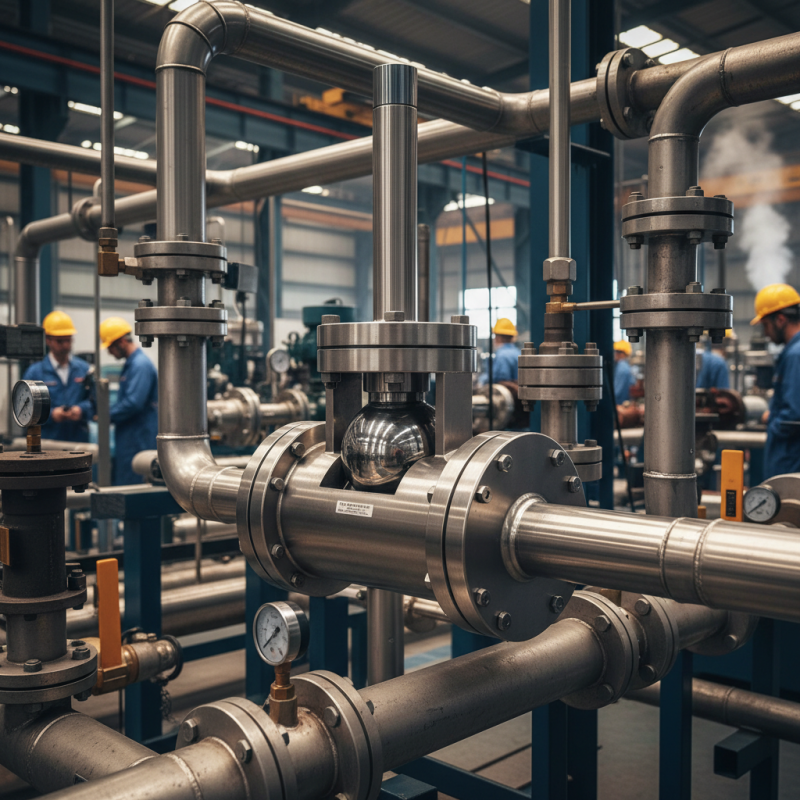
Choosing the right trunnion valve is crucial for any industrial application. These valves play a significant role in controlling flow and pressure in pipelines. However, selecting the most suitable design can be challenging. Consider the specific function of your system while choosing.
A trunnion valve must match your operation’s needs. Think about the medium it will handle. Is it corrosive or high-pressure? The material selection is key to longevity. Additionally, the valve’s size should fit the pipe diameter perfectly. This ensures seamless operation.
Don’t overlook the maintenance aspect. Some valves demand more attention than others. Reflect on your team's capability to manage this. A well-chosen trunnion valve enhances efficiency and reduces downtime. But make sure to weigh out the pros and cons of each option.
Understanding Trunnion Valve Types: A Guide to Selection
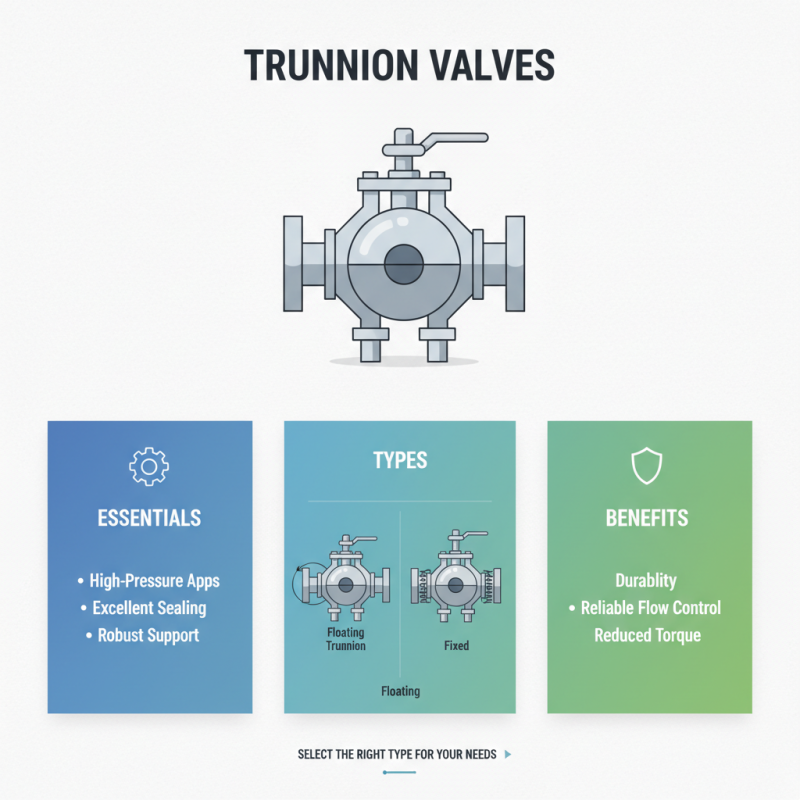
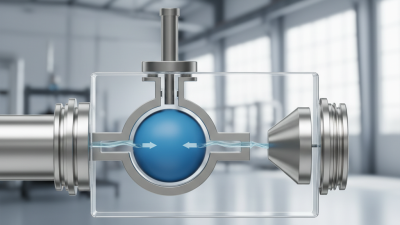
Trunnion valves are essential in various industries. They provide excellent sealing and support, which makes them suitable for high-pressure applications. Understanding the types available helps in selecting the right one. There are different designs, such as floating and fixed trunnion valves. Each type has its unique features and applications.
For instance, floating trunnion valves allow some movement of the ball, which aids in sealing. This design may work well in lower-pressure systems. On the other hand, fixed trunnion valves provide stability and are better suited for high-pressure environments. The choice depends on your specific operational needs.
When evaluating options, consider factors like size and material. Ensure compatibility with your system. Reflecting on previous experiences could help avoid failures. Sometimes, a small detail goes unnoticed, leading to larger issues. Engaging with various suppliers might help gather insights. Keep an open mind about the features you truly need.
Key Factors Influencing Trunnion Valve Performance and Durability
When selecting a trunnion valve, understanding the key factors that influence its performance and durability is crucial. The design of the valve plays a significant role.
Trunnion valves are designed to support large flow rates. However, not all designs are equal. Pay attention to the materials used. High-quality materials can withstand extreme conditions, prolonging the valve's lifespan.
Regular maintenance is also vital. Neglect can lead to premature failure. Ensure you have a maintenance schedule that includes routine checks. This can help identify issues early on. Look for valves with features that enhance their durability, such as anti-blowout designs.
Consider the application as well. Different environments may require specific valve configurations. Corrosive fluids, for example, might need special coatings. Failing to assess this can result in significant operational challenges.
Tip: Always review the specifications carefully. Mismatched specs can lead to costly downtime. Another tip: consult with engineering teams to align on performance expectations. Their insights are invaluable.
Each detail matters in ensuring you select the right trunnion valve.
Evaluating Material Compatibility for Different Fluid Types in Valves
When selecting a trunnion valve, material compatibility is crucial for optimal performance. Different fluids can corrode or degrade materials over time. For example, according to a report by the American Society of Mechanical Engineers (ASME), around 20% of valve failures occur due to improper material selection. Understanding the fluid's characteristics helps prevent these issues.
Consider the types of fluids you'll be working with. Media like water, oil, or corrosive chemicals all interact differently with materials. For instance, stainless steel holds up well against many fluids but may not be suitable for highly acidic solutions. Tip: Always refer to compatibility charts when selecting materials.
Regular audits of valve conditions are essential. Simple checks can catch early signs of material wear. Data from the Valve Manufacturers Association indicates that over 30% of facilities experience valve leaks due to overlooked maintenance. Tip: Implement a routine inspection to prolong valve life. Investing time in material evaluation saves costs in the long run. It’s a proactive approach that many overlook.
Sizing and Pressure Ratings: Ensuring Appropriate Trunnion Valve Selection
When selecting a trunnion valve, sizing and pressure ratings are crucial. The valve must fit the system's requirements precisely. Overly small valves can lead to pressure loss. Conversely, oversized valves may cause operational issues. Take accurate measurements of the pipeline diameter. Ensure compatibility with fluid characteristics as well.
Pressure ratings determine how much stress the valve can handle. It's vital to match these ratings with the operating conditions. Consider factors like temperature and flow rate. Ignoring these details can result in failures. Sometimes, even small deviations in pressure can have significant impacts on performance. Checking the manufacturer's specifications is essential, but they often vary.
Real-world applications show that miscalculations happen frequently. Some users regret not spending enough time on sizing. Others overlook the pressure ratings entirely. These decisions later require costly adjustments. Always ensure your final choice aligns with both system demands and environmental conditions. It's a reflection of due diligence and understanding in valve selection.
Maintenance and Lifecycle Considerations for Trunnion Valves in Industry
When considering maintenance for trunnion valves, understanding their lifecycle is crucial. Trunnion valves, with their robust design, offer durability in various industries. However, they’re not immune to wear and tear. Regular inspections are key; overlooked details can lead to costly failures. For example, check for leaks around the seals. Small leaks can escalate quickly.
Lubrication plays a significant role in performance. Many operators underestimate its importance. Inadequate lubrication can cause the valve to stick. This issue could result in downtime. Ensuring that the lubrication schedule aligns with usage frequency is vital. Additionally, assessing the valve’s seating surface for wear can reveal potential problems. It’s surprising how often this detail is missed.
Training for maintenance staff is essential, too. The right knowledge can prevent mishaps. Awareness of the valve's specific requirements helps in addressing issues promptly. Sometimes, it might seem trivial, but even a simple tightening can impact functionality. Knowing when to replace rather than repair is another challenge. It’s an ongoing learning experience for many in the industry.