How to Choose the Right Stainless Steel Globe Valve for Your Needs?
When selecting the right stainless steel globe valve, expert Richard J. Smith emphasizes its importance in industrial applications. He once stated, "The right valve can make or break the efficiency of a system." This statement highlights the critical role of the stainless steel globe valve in fluid control.
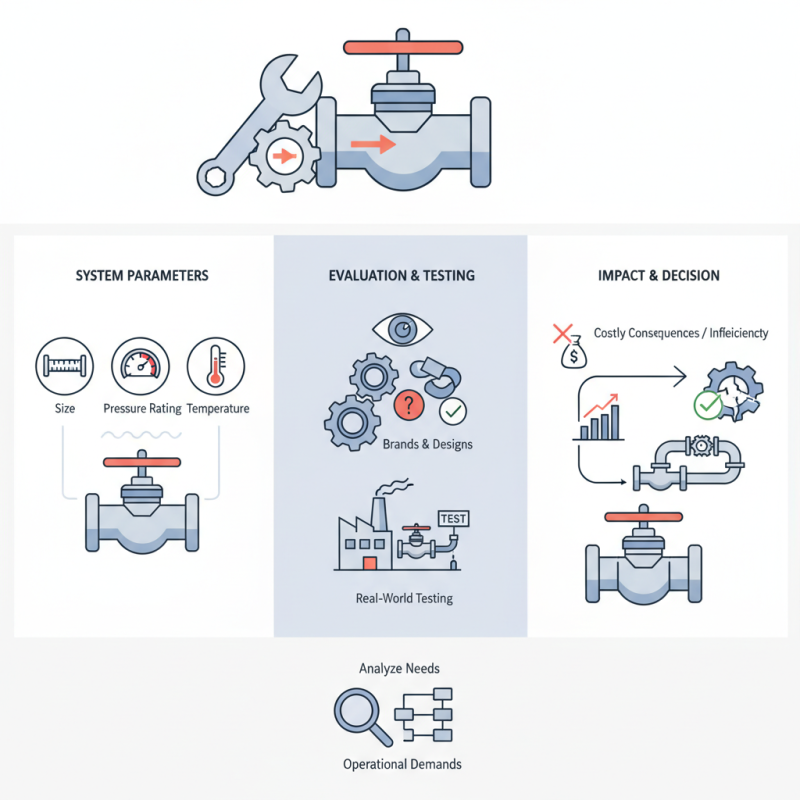
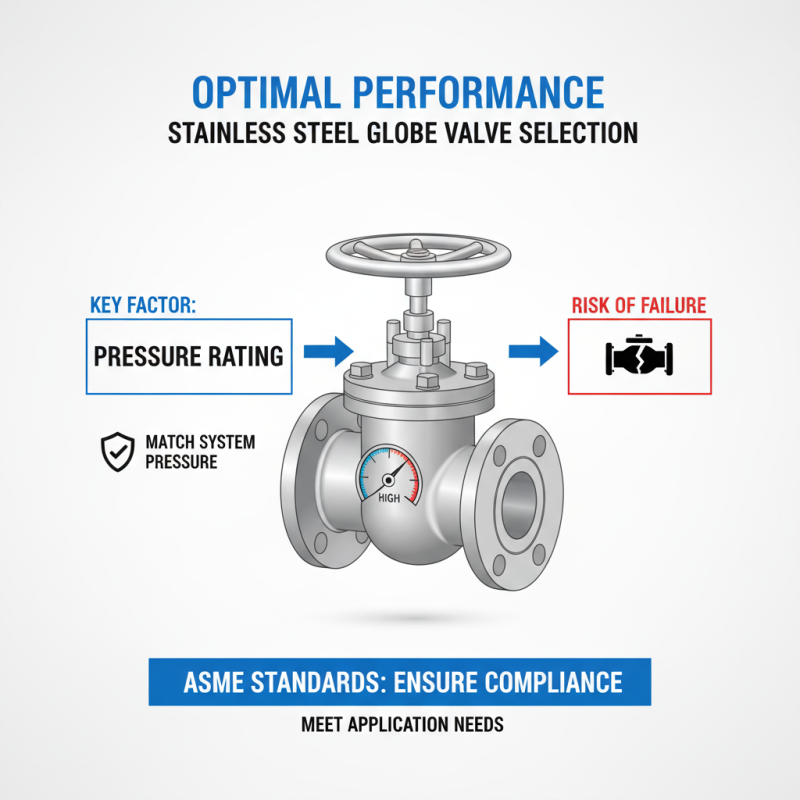
Choosing a stainless steel globe valve involves various factors. Consider the size, pressure rating, and temperature of your system. These specifications directly impact performance. A misstep in selection may lead to costly consequences.
Don't rush this decision. Evaluate different brands and designs. Some valves may visually appeal but perform poorly. Real-world testing will reveal their true capabilities. Analyze your needs carefully to ensure you choose the right stainless steel globe valve that meets your operational demands.
Understanding Stainless Steel Globe Valves and Their Applications
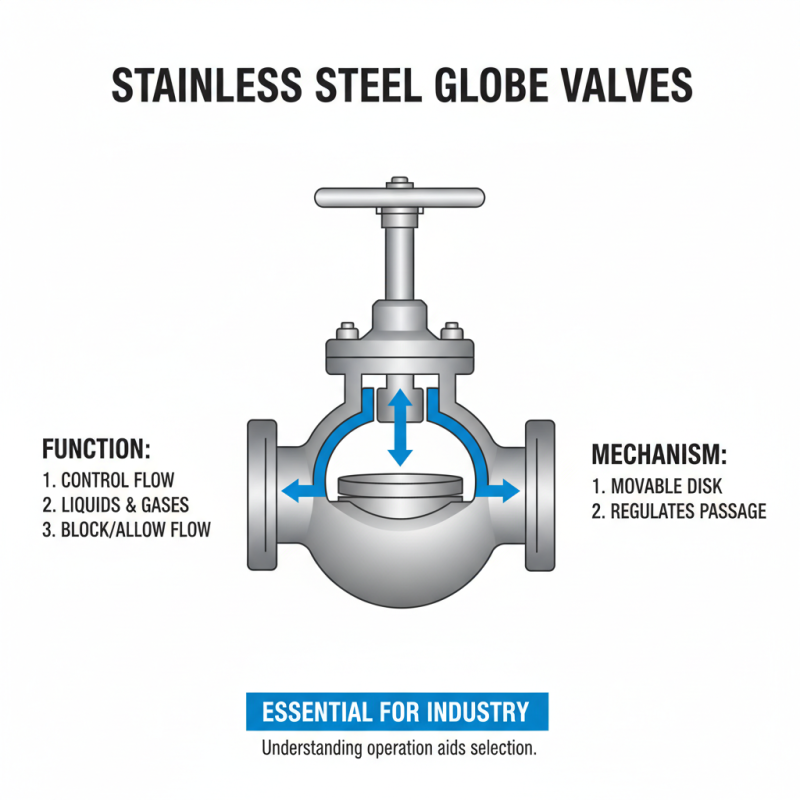
Stainless steel globe valves are essential in various industries. They control the flow of liquids and gases effectively. These valves function by using a movable disk that blocks or allows flow through the pipe. Understanding how they work helps in selecting the right type.
Applications of these valves vary widely. They are common in water supply systems, chemical processing, and oil and gas industries. A stainless steel valve is resistant to corrosion, making it ideal for harsh environments. However, not all stainless steel is made equal. Some grades offer better durability than others. Choosing the right grade can be tough, especially under pressure.
Installation and maintenance also require careful attention. Improper installation can lead to leaks or valve fatigue. Regular checks for signs of wear are crucial. Failures can incur high costs. It's important to evaluate usage frequency and pressure requirements. Each project might present unique challenges that require tailored solutions.
Types of Stainless Steel Globe Valves and Their Specific Uses
When selecting a stainless steel globe valve, understanding the various types and their specific applications is crucial. There are primarily two categories: standard globe valves and pressure-seal globe valves. Standard variants often suit less critical applications, while pressure-seal versions are designed for high-pressure requirements.
Standard globe valves are versatile. They are commonly used in water systems and low-pressure gas applications. According to industry reports, nearly 70% of globe valves fall into this category. However, they can have limitations in extreme conditions. Their design may restrict flow and create turbulence at high pressures.
On the other hand, pressure-seal globe valves excel in high-pressure environments. They have a unique sealing mechanism that enhances performance. Reports suggest that these valves can safely function in pressures exceeding 4,500 psi. Yet, they are often more expensive and may require meticulous installation. Engineers need to consider these factors carefully before making a decision.
Maintenance Tips for Ensuring Longevity of Your Globe Valve
Proper maintenance is crucial for the longevity of your stainless steel globe valve. Regular checks can prevent unforeseen failures.
Statistics show that nearly 30% of valve issues stem from neglect. Simple actions can extend the life of your valve. Ensure you perform routine inspections every six months.
Look for signs of wear, leakage, or corrosion. These are indicators that immediate action is needed.
Cleaning the valve regularly is just as important. Use a
mild detergent and warm water. Harsh chemicals can damage the stainless steel finish, leading to premature failure.
After cleaning, ensure all components are dry. Moisture can lead to rust, even in stainless steel. Many experts recommend
lubricating moving parts bi-annually. This can prevent sticking and ensure smooth operation.
Mind the operating conditions as well.
Extreme temperatures and pressures can affect valve performance. According to industry reports, valves that operate outside their designed specifications can fail up to
40% faster.
Adjustments may be necessary based on usage patterns. Tracking performance metrics over time can reveal trends that may require attention.
Valves are critical components. Their maintenance impacts overall system reliability.
Common Mistakes to Avoid When Choosing a Globe Valve
Choosing the right stainless steel globe valve can be tricky. Many people make common mistakes that can lead to performance issues. One prevalent error is not considering flow characteristics. Globe valves are not always suitable for high flow applications. They create higher pressure drops, which can be a problem.
Another mistake is overlooking the material compatibility. Using the wrong stainless steel grade can cause corrosion or structural failure over time. According to a recent industry study, improper material selection leads to a 30% increase in maintenance costs. In some cases, valves failed within two years due to material issues.
It’s also important to evaluate the actuator method. Manual and automatic options each have their advantages. Many users forget about the size and power requirements of the actuator. Poor selection can affect how well the valve operates. Always check the specifications closely. A mismatched actuator can lead to inefficiencies that are costly in the long run.