Blogs | Steelstrong Valves

Best Practices for Valve Testing in Industrial Applications?

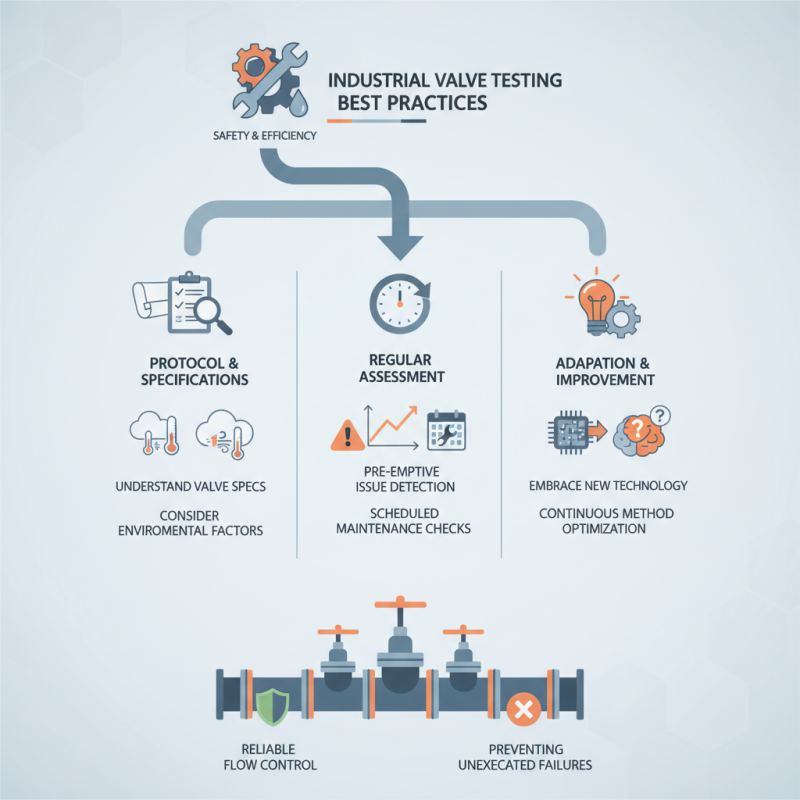
In industrial applications, valve testing is crucial for safety and efficiency. Proper testing ensures that valves function as intended under various conditions. Many industries rely on valves for controlling fluid flow, making their performance vital.

Despite advancements in valve technology, testing practices can vary significantly. Some companies may overlook essential tests, leading to unexpected failures. Identifying the best practices for valve testing helps organizations maintain high operational standards. Companies often face challenges in implementing these practices effectively.

Establishing a rigorous testing protocol is vital. It involves not only understanding the valve's specifications but also considering environmental factors. Regular testing can reveal potential issues before they escalate. However, organizations must remain open to improvement and adapt their methods as technology advances.
Best Practices for Valve Testing in Industrial Applications?

Overview of Valve Testing Methods in Industrial Settings

Effective valve testing is essential in industrial applications to ensure safety and efficiency. Various methods are used across different sectors to evaluate valve performance. Common techniques include pressure testing, leak testing, and operational testing. Each method offers unique insights into the valve's condition.

Tips for conducting valve testing include preparing the environment properly. Ensure that all personnel are trained to handle the equipment. Safety gear must be worn at all times. This reduces risks during testing. It’s important to document every step of the testing process. This ensures traceability and accountability.

Regular maintenance is crucial for valve longevity. Observing signs of wear can save time and money. A proactive approach helps identify issues before they escalate. Testing should be scheduled based on the valve’s usage and historical data. Adjustments may be needed as conditions change over time. Proper record-keeping aids in this assessment.
Importance of Regular Maintenance and Testing Frequency for Valves

Regular maintenance and testing frequency for valves play a crucial role in industrial operations. Valves, as essential components, regulate flow and pressure. Over time, wear and corrosion can weaken their functionality. Regular testing helps identify issues early on and prevents costly downtimes.

Implementing a routine testing schedule is vital. It's advised to perform valve tests at least once a year. However, more frequent testing may be necessary for high-stakes environments. For instance, valves managing hazardous materials should undergo quarterly tests. This proactive approach ensures safety and operational efficiency.

Tips for effective valve testing include documenting all test results. Accurate records help track performance trends over time. Another useful tip is to involve qualified personnel for testing procedures. Their expertise ensures reliable results. Consider also visual inspections; they can reveal issues that might not be evident through functional testing alone. Regularly reviewing the maintenance and testing regimen is necessary to adapt to changing operating conditions.

Best Practices for Valve Testing in Industrial Applications

Valve Type Testing Frequency (Months) Maintenance Required Common Issues Detected Recommended Action
Globe Valve 6 Lubrication and Inspection Leakage, Corrosion Replace Seals, Clean Surface
Ball Valve 12 Functional Testing Sticking, Reduced Flow Inspect and Clean Ball
Butterfly Valve 9 Visual Inspection Wear and Tear, Misalignment Realign and Adjust
Check Valve 18 Functionality Check Inadvertent Leakage Inspect Mechanism and Replace

Key Industry Standards and Regulations Governing Valve Testing

Valve testing in industrial applications is subject to a variety of key industry standards and regulations. These guidelines ensure safety and performance in critical sectors like oil and gas, pharmaceuticals, and water management. The American Society of Mechanical Engineers (ASME) provides crucial standards, particularly ASME B16.34 and B31.1, which outline safety requirements for valves. Similarly, the International Organization for Standardization (ISO) has ISO 9001, emphasizing quality management systems, which indirectly influences valve testing protocols.

In real-world applications, adherence to these standards can prevent catastrophic failures. For instance, a 2018 report from the American Petroleum Institute (API) indicated that improper valve testing contributed to over 25% of pipeline incidents. Valve leakage, often resulting from testing neglect, can lead to environmental hazards. Reports suggest that up to 70% of leakage incidents occur due to poor maintenance and testing practices. Institutions must invest heavily in training to ensure testing accuracy and compliance with established standards.

Reflecting on past failures can drive improvement. In 2019, a survey found that over 30% of facilities reported inadequate testing procedures. This gap poses risks not only to operational efficiency but also to safety. Regular audits and a commitment to quality control foster a proactive culture. Organizations must continually reflect on their practices to meet evolving standards in the industry.

Best Practices for Conducting Pressure and Leakage Tests on Valves

Best Practices for Valve Testing in Industrial Applications?

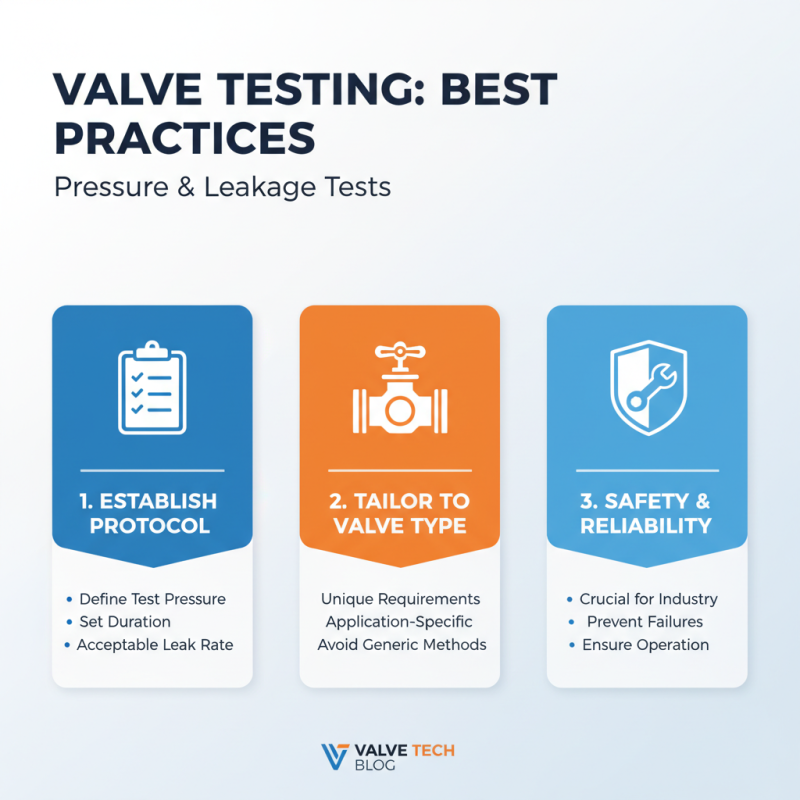
In industrial settings, conducting pressure and leakage tests on valves is crucial for safety and reliability. To begin with, it is essential to establish a clear testing protocol. This should include specific parameters like test pressure and duration, as well as the acceptable leakage rate. Each valve type may have unique requirements, necessitating a tailored approach. Relying on standardized methods may overlook important nuances specific to the application.

When performing tests, ensure that the equipment is calibrated and in good condition. Regular maintenance of testing tools contributes to accurate results. Use visual inspections to identify any potential issues before applying pressure. A common mistake is to skip this step, leading to overlooked defects. It’s important to note that documentation plays a critical role in validating test results. Without proper records, the integrity of the tests can be questioned.

Don't hesitate to engage experienced professionals during the testing process. Their insights can improve testing reliability and effectiveness. However, keep an open mind about the potential for human error. Mistakes can happen, and reflecting on them fosters a culture of continuous improvement. Regular reviews of testing practices can elevate standards and enhance safety in valve operations, ultimately leading to better performance.

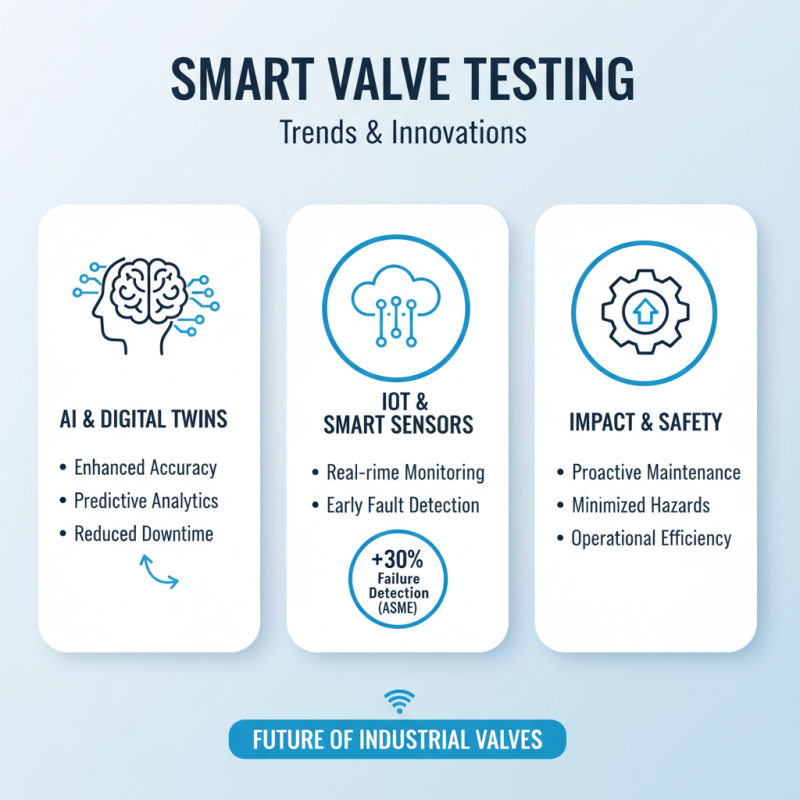
Utilizing Advanced Technologies in Valve Testing: Trends and Innovations

Best Practices for Valve Testing in Industrial Applications?

In industrial applications, the valve testing landscape is witnessing transformative advancements. Utilizing digital technologies like AI and IoT, companies enhance testing accuracy. A report from the American Society of Mechanical Engineers indicates that incorporating smart sensors can improve detection of potential valve failures by over 30%. This is vital, as even a minor fault can lead to significant operational downtime and safety hazards.

The trend towards automated testing systems continues to grow. Automated solutions not only boost efficiency but also reduce human error. According to a recent study, 70% of companies using automated valve testing report improved compliance with safety regulations. However, integrating these advanced technologies is not without challenges. Organizations must invest in staff training and address initial setup costs, which can be a barrier for many.

Continual evolution in valve testing technology sparks reflection. The reliance on cutting-edge solutions prompts questions about data security and system vulnerabilities. As industries adapt, they must balance innovation with the need for robust cybersecurity measures. Advancements are leading to better performance, but risks must also be managed effectively.