What is a Ball Valve with Check Valve and How Does it Work?
A ball valve with check valve is an essential component in various piping systems. This device combines two crucial functionalities: flow control and backflow prevention. Understanding how it works can simplify the decision-making process for engineers and technicians.
These valves are easy to operate. The ball inside the valve rotates to allow or block flow. Its simplicity is appealing, but it can also lead to errors in installation. Misalignment can hinder performance. The check valve feature adds a layer of protection. It prevents fluid from flowing backward, which is critical in many applications. Sometimes engineers overlook this aspect.
In real-world scenarios, a ball valve with check valve operates efficiently under normal conditions. However, they can fail if not maintained properly. Regular inspections help ensure longevity and reliability. Knowledge of their operation allows users to prevent costly downtimes. Thus, while the design seems straightforward, there are complexities to consider. Balancing these factors can lead to optimal performance in fluid systems.
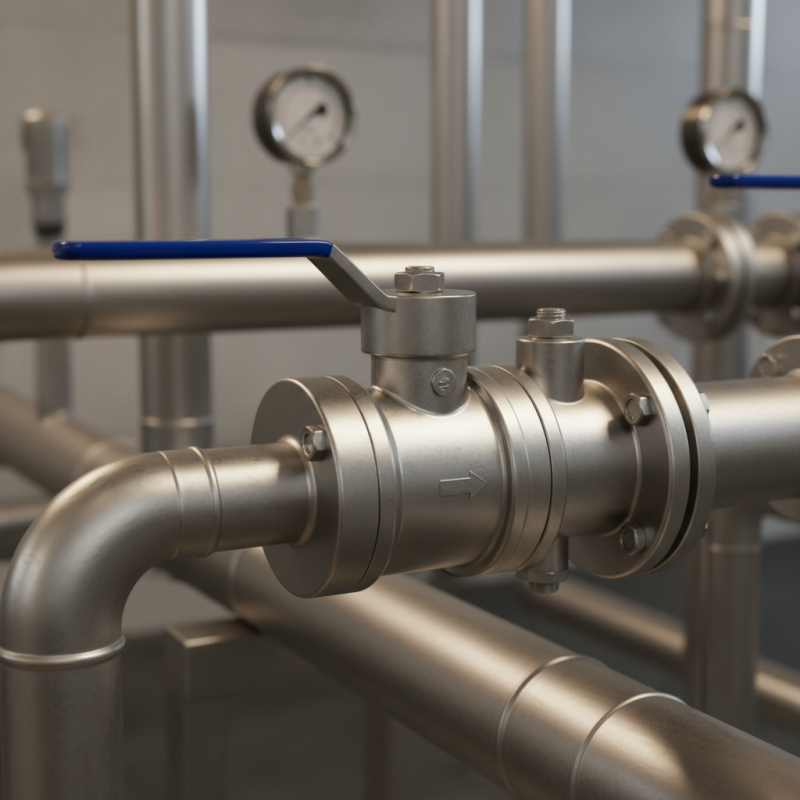
What is a Ball Valve and its Basic Functions in Fluid Control
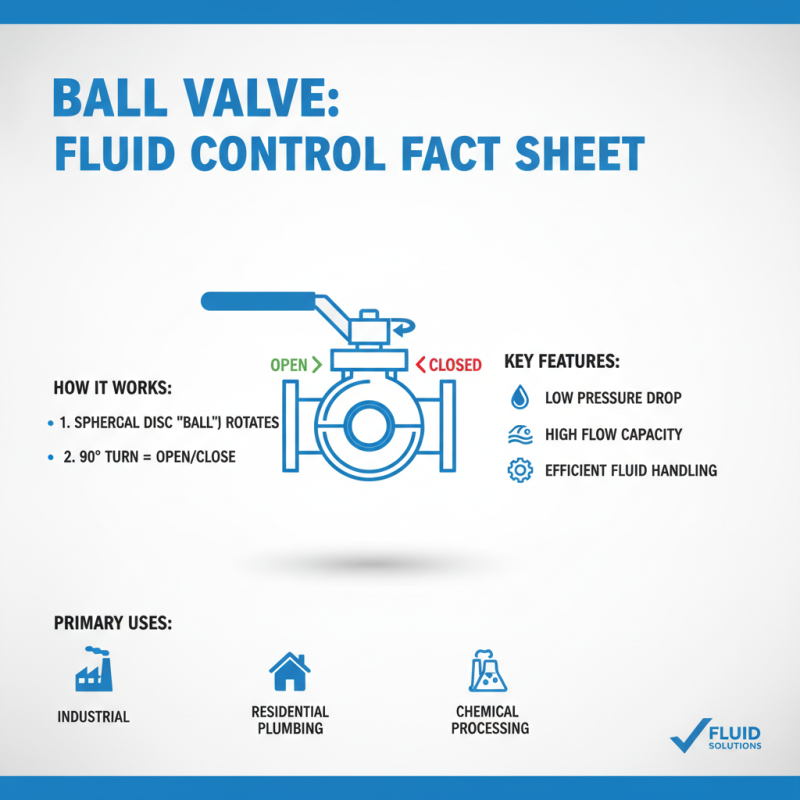
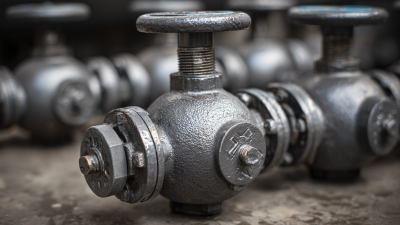
A ball valve is a critical component in fluid control systems. It operates using a spherical disc, known as a "ball," that rotates to open or close the flow path. According to industry reports, ball valves offer a low-pressure drop and can handle large volumes of fluid efficiently. These features make them a preferred choice in various applications, from industrial to residential plumbing.
The basic function of a ball valve involves stopping or allowing the passage of fluid. When the ball is turned to align with the pipe, fluid flows freely. Conversely, when rotated perpendicular, the flow stops. This simple mechanism ensures reliability and quick operation. A report by a major hydraulic engineering firm noted that ball valves can achieve up to 95% effectiveness in controlling flow rates. However, operators must regularly inspect these valves, as wear or debris can hinder performance.
Integrating a check valve with a ball valve enhances functionality. The check valve prevents backflow in the system, adding another layer of safety. However, this design can introduce complexity. In some cases, the additional components may require more space and maintenance. Engineers need to consider these factors when designing fluid control systems.
Understanding the Design and Structure of Ball Valve with Check Valve
A ball valve with a check valve combines two essential functions: flow regulation and backflow prevention. The design features a spherical disc that controls fluid flow in pipelines. This configuration is often used in industries like oil and gas, where safety and efficiency are paramount. According to a recent industry report, approximately 40% of fluid control systems utilize ball valves for their reliability.
The structure of these valves includes a ball that rotates within a housing. The check valve element is typically integrated into the design, allowing fluid to flow in one direction only. This prevents backflow, which can cause leaks and potential damage. Industry data indicates that misuse or poor design accounts for around 15% of failures in valve systems.
Despite their advantages, not all applications are ideal for this type of valve. In high-pressure scenarios, wear and tear can lead to malfunction. A study highlighted that maintenance challenges arise due to the complexity of replacing components. Users must regularly inspect these valves to ensure optimal performance. It's crucial to assess specific conditions before installation to avoid operational issues.
How the Check Valve Mechanism Prevents Backflow in Ball Valves
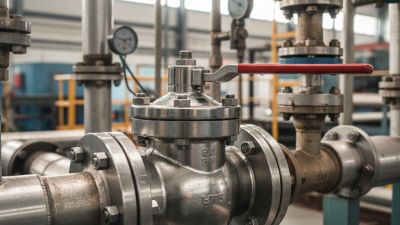
A ball valve with a check valve combines two critical functions: regulating flow and preventing backflow. The check valve mechanism is specifically designed to allow fluid to flow in one direction. When there is no flow, it closes firmly to stop any reverse movement. This is essential in plumbing and industrial systems.
The ball valve operates with a spherical disc that rotates to either block or allow fluid passage. In instances where backflow could cause damage or contamination, the check valve ensures stability. It works by sensing pressure changes. If the pressure on one side decreases, the valve seals off, preventing fluid from reversing.
However, the check valve isn't infallible. Sometimes debris can hinder its closure. Periodic maintenance is necessary to ensure it functions properly. The design simplicity also has drawbacks. In some scenarios, a low-quality valve may not seal tightly, risking leaks. Don't overlook these details; they are crucial for reliability.
How the Check Valve Mechanism Prevents Backflow in Ball Valves
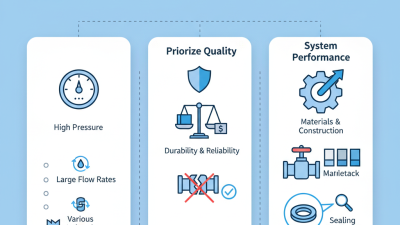
This chart illustrates the effectiveness of different check valve designs in preventing backflow in ball valves.
Applications and Industries Utilizing Ball Valves with Check Valve Features
Ball valves with check valve features are increasingly utilized in various industries due to their efficiency and reliability. These valves combine the quick operation of a ball valve with the backflow prevention of a check valve. They are essential in oil and gas, water treatment, and chemical processing sectors. According to the "Global Valve Market Report," the demand for such valves is expected to grow at a CAGR of 5.3% from 2022 to 2030.
In water treatment facilities, these valves play a critical role. They prevent backflow, ensuring clean water supply and protecting equipment from contamination. An example includes their use in pumping stations. The checks prevent reverse flow when pumps are off. This functionality extends the lifespan of systems and reduces maintenance costs by up to 30%, as indicated in studies by the American Water Works Association.
However, not all applications have embraced this technology fully. Some industries remain hesitant. The upfront cost can be a barrier. Additionally, there are concerns about installation complexities. Training staff to operate and maintain these valves adds to the challenge. The balance between long-term benefits and initial expense can be tough to achieve, highlighting the need for ongoing industry education and analysis.
Comparative Analysis: Ball Valves vs. Other Types of Valves in Performance
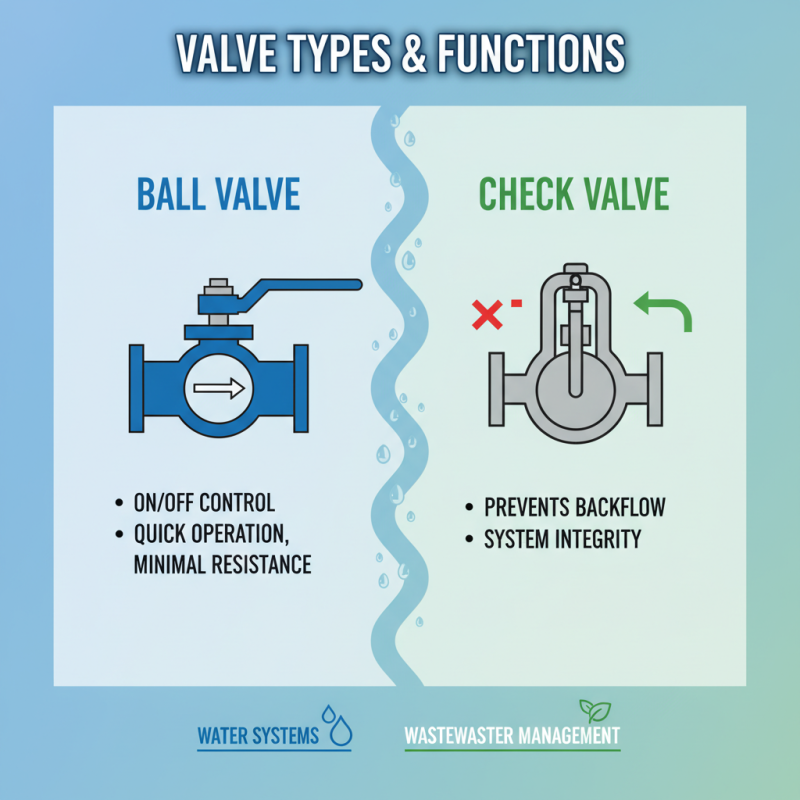
Ball valves and check valves serve different purposes. Ball valves are great for on/off control. They provide minimal resistance to flow, and their design allows for quick operation. In contrast, check valves prevent backflow, maintaining system integrity. This function is vital in many applications, such as in water supply systems and wastewater management.
When comparing ball valves to other types like gate or globe valves, ball valves generally excel in speed and efficiency. Gate valves work well for full flow but can be slow to operate. Globe valves, while providing good throttling capability, can create more turbulence. These inefficiencies may lead to higher energy costs over time. Each valve type has its role, but ball valves often integrate better for streamlined performance.
However, the combination of a ball valve with a check valve can lead to complexity. This design may require more space and careful installation. Maintenance can be trickier too. If one component fails, the entire system may need inspection. Understanding these differences is key to optimizing performance in practical applications. Choosing the right valve means weighing these factors thoughtfully.